
Staff and Members
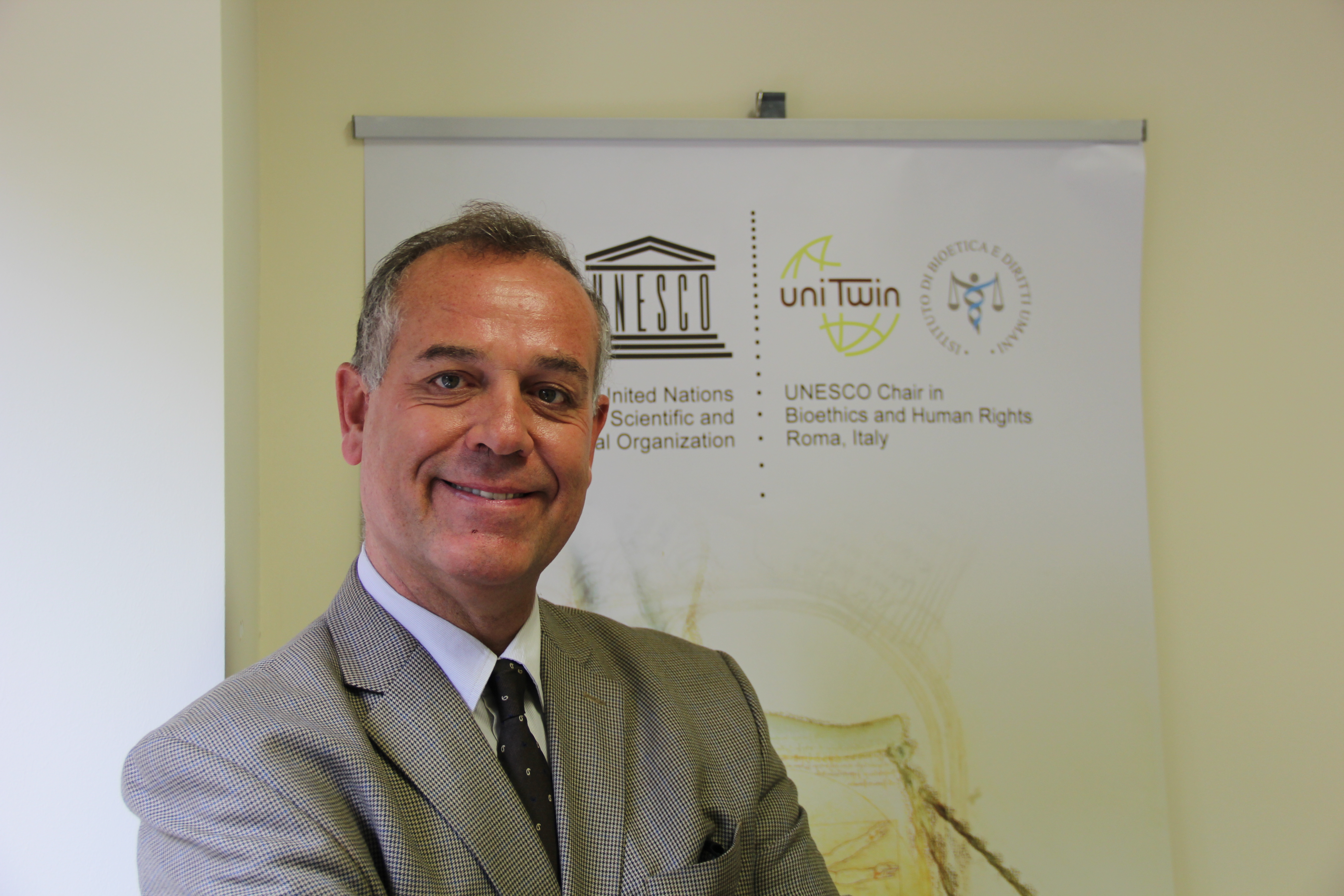
Chairholder
Prof. Alberto García Gómez is Doctor in Law from Complutense University in Madrid. Presently, he is the Dean and Professor of Philosophy of Law and International Law at the School of Bioethics of Athenaeum Pontificium Regina Apostolorum in Rome. Furthermore, he is a researcher of the Human Rights Institute at Complutense University. For 5 years he has been member of the Steering Committee of Bioethics in the Council of Europe and in 2005 was honoured with the National Prize of the Spanish Royal Academy of Doctors in the field of legal and social sciences.
email: agarcia@unescobiochair.org
Board of Directors
Alberto García Gómez, JD, Director , Dean, Faculty of Bioethics, Pontifical Athenaeum Regina Apostolorum
José E. Oyarzún, LC, President, Pontifical Athenaeum Regina Apostolorum
Perdo Barrajón, LC, President, Università Europea di Roma
Joseph Tham, LC, PhD. Delegate, Faculty of Bioethics, Pontifical Athenaeum Regina Apostolorum
Aniello Merone, Delegate, Università Europea di Roma
Lílian Santos, Professor, Pontifical Athenaeum Regina Apostolorum
Claudia Navarini, Professor, Università Europea di Roma
Fellows
Fellows are scholars involved in a specific area of interest of the UNESCO Chair. Their task entail the education and training, academic research, and diffusion of knowledge though coordination different activities that will further the goals of the UNESCO Chair in Bioethics and Human Rights.
Gonzalo Miranda, LC, STD.
Joseph Tham, LC, MD, PhD.
Alberto Carrara is Assistant Professor of Anthropology at the Regina Apostolorum University. In 1999, he received the title as a laboratory technician for the European Institute Pietro Scalcerle of Padua, and in 2004 he was proclaimed Doctor in Medical Biotechnology for the Faculty of Medicine of the University of Padua (Italy), Department of Microbiology, Virology and Medical Biotechnology. In 2011, he received the Licence in Philosophy for the Faculty of Philosophy of the Regina Apostolorum Athenaeum, and in 2013 the Bachelor Degree in Theology for the same academic Institution. Now he is PhD candidate in Philosophy. He is currently the Director of the Neurobioethics Study Group and an Academic and Corresponding Member of the Pontifical Academy for Life (PAV, 2016) e-mail: acarrara@unescobiochair.org
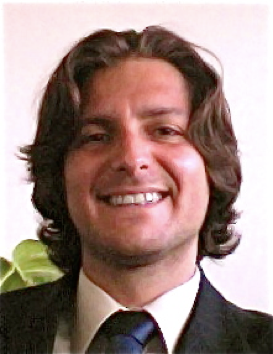
Chris Durante holds a PhD in Ethics from the Religion & Culture area of the Faculty of Religious Studies at McGill University, a MA in Religious Studies from Georgia State University and a MSc in Philosophy of Mental Disorder from King’s College London. As an interdisciplinary scholar he has research and teaching interests in Bioethics, Comparative Religious Ethics, and Moral & Political Philosophy. His publications have appeared in journals such as: the American Journal of Bioethics; the Journal of Religious Ethics; Medicine, Health Care and Philosophy; the Journal of Global Ethics; and the Journal of Church & State. In the past he held a research internship at the Hastings Center for Bioethics and Public Policy; was a researcher in collaboration with the Religion & Globalization Initiative of McGill University and the Tony Blair Faith Foundation; served as a course lecturer in both the Faculty of Religious Studies and the Faculty of Medicine at McGill University; and, has taught in both the Department of Philosophy at St. John’s University and the Department of Philosophy & Religious Studies at Marymount Manhattan College. Currently, he resides in New York City, where he is a Visiting Assistant Professor in the Religious Studies Program at New York University. Email: cdurante@unescobiochair.org
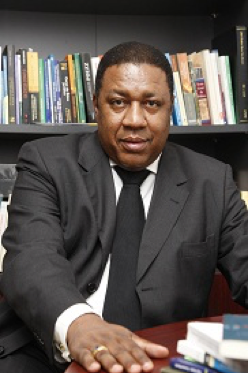
José Octávio Serra Van-Dúnem is Doctor in Sociology from the University Research Institute of Rio de Janeiro, Cândido Mendes University (Brazil) and Degree in Philosophy, at the Humanities College of the Universidade Católica Portuguesa, in Lisbon (Portugal); graduate degree in Higher Business Studies at Universidade Católica Portuguesa, (Lisbon, Portugal) and in Prévision et Prospective Démografique by the Institut de Demographie of the Université Catholique de Louvain (Belgium). From 2005 to 2009, Dean of the Faculty of Law at the Agostinho Neto University, Luanda (Angola). Currently he serves as Director of CEJES “Centro de Estudios de Ciéncias Jurídico-Económicas e Sociais” at ANU. Seecurriculum in English and Portuguese.
Email: otdunem@gmail.com
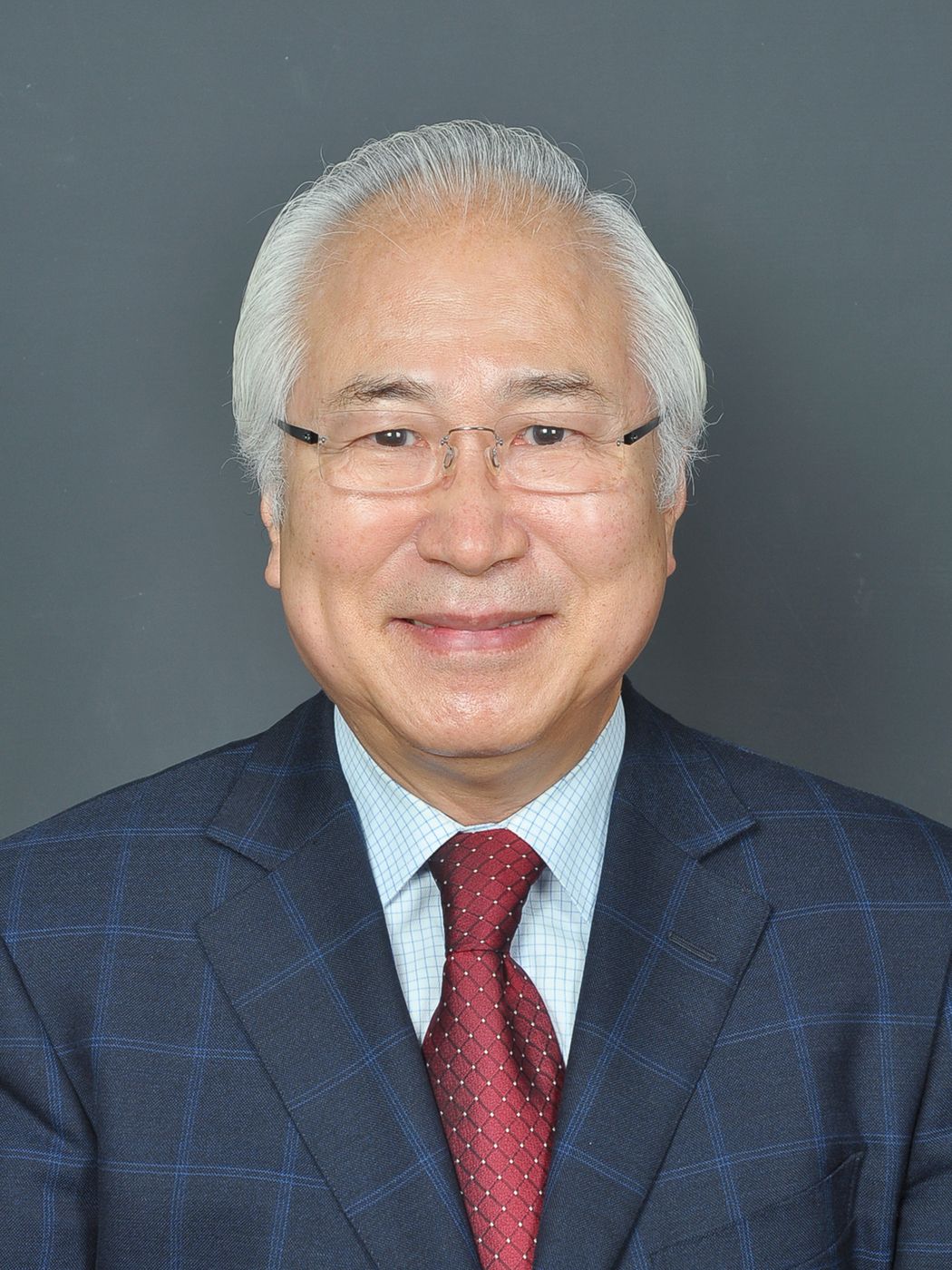
Paul I. Lee is currently a professor at both the Sogang University and Nicholas Cardinal Cheong Graduate School for Life, the Catholic University of Korea, Seoul, Korea. He is also a visiting professor at the Pontificio Ateneo Regina Apostolorum, Rome, Italy. He obtained his M.D. Degree at School of Medicine, the Yonsei University, Seoul, Korea in 1969, his Master’s Degree in Bioethics at Nicholas Cardinal Cheong Graduate School for Life, the Catholic University of Korea, Seoul, Korea in 2009 and his Doctorate in Bioethics at the Pontificio Ateneo Regina Apostolorum, Rome, Italy in 2013. He is a board certified Obstetrician and Gynecologist by the American Board of Obstetrics and Gynecology. His primary interest in Bioethics is “Dignity and Equity in Women’s Health Issues.”
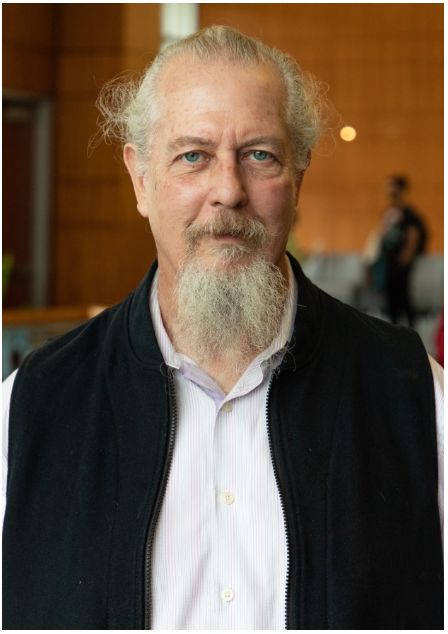
John Lunstroth is a legal scholar whose scholarly work focuses on legal and ethical theory, especially concerning history, religions and bioethics. He holds a juris doctor (JD) from the University of Houston, and a Master of Laws (LLM) in health law & policy from the same institution. He also holds a Master of Public Heath (MPH) from Columbia University, where his work focused on the history and ethics of public health and medicine. He practiced law full time for many years before returning to school for his LLM and MPH, representing many physicians and other entities in the health field. After finishing his MPH he was a research professor at the University of Houston Law Center for five years before returning to the law for three years. He is now a professor/lecturer in in the Medicine & Society Program at the University of Houston. He has published on diverse topics, including international legal theory, bioethics theory, human rights and human experimentation, neuroethics, and comparative religious ethics with a focus on the traditions of the Subcontinent. He teaches health and human rights, comparative medicine, Hindu bioethics, history of ethics, and related courses. He has been a core member of the Bioethics, Multiculturalism, and Religion project since 2012.
Research Scholars
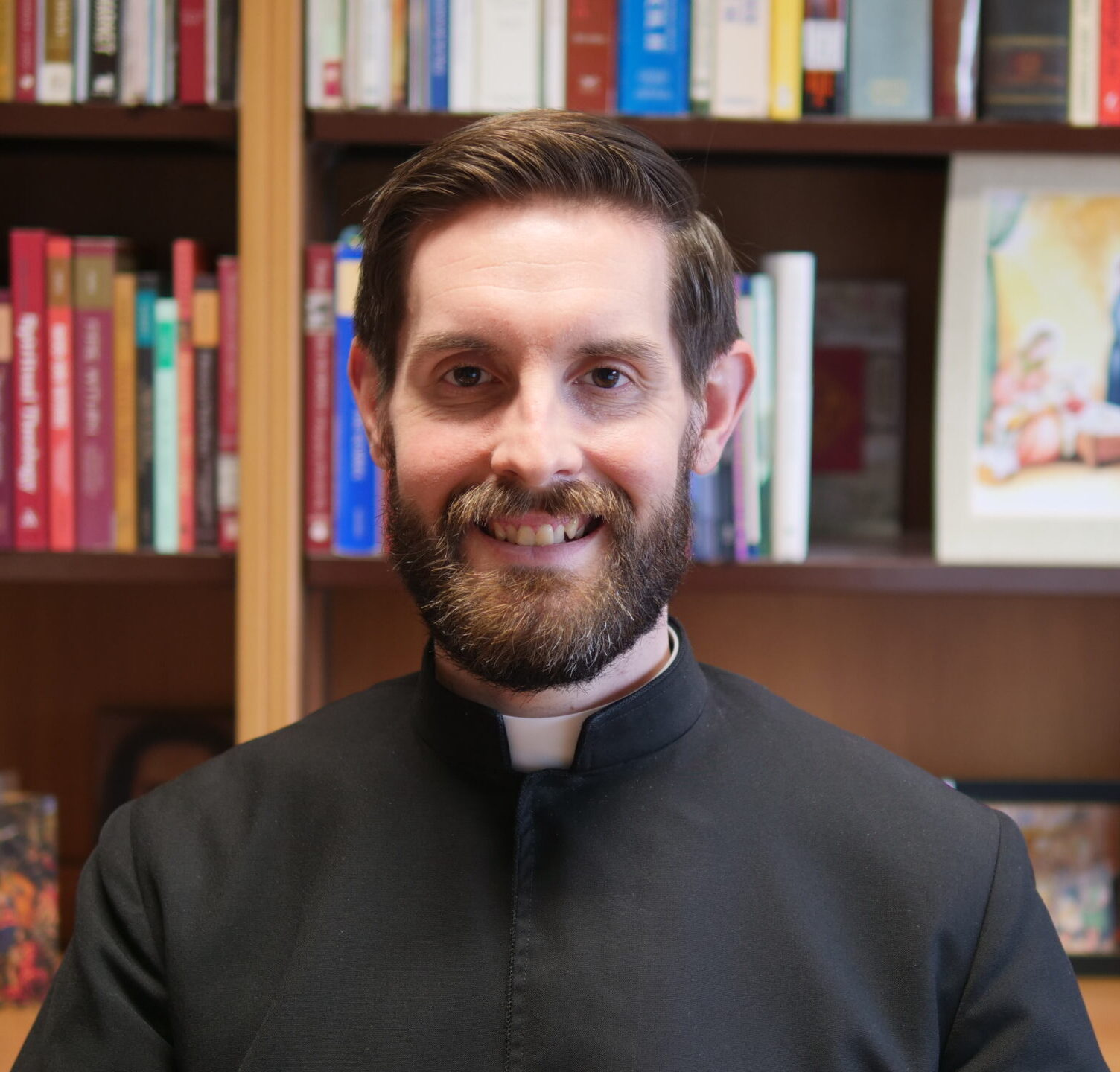
Michael Baggot graduated summa cum laude from Christendom College with a B.A. in Philosophy, before working in Rome as a Resident Director for the school’s study abroad program. In 2013, he received a licentiate of philosophy summa cum laude from the Athenaeum Pontificium Regina Apostolorum in Rome. He also hold a PhD in Bioethics at the same Athenaeum. Prior to entering the seminary, Baggot reported on prominent bioethical issues as a journalist. He spent his initial period of seminary formation near Cologne, Germany. He later worked as an assistant for the Curso de Hispanidad in Mexico City and as a teacher at Pinecrest Academy in Atlanta, Georgia, before returning to Rome for further studies. He is currently an Adjunct Professor of Theology at Christendom College, Assistant Professor of Bioethics at Regina Apostolorum, and the Curriculum Coordinator of the Catholic Worldview Fellowship program for university students. His writing has appeared in First Things, Studia Bioetica, The National Catholic Bioethics Quarterly, and Medicine, Health Care and Philosophy.
email: michael.baggot@upra.org
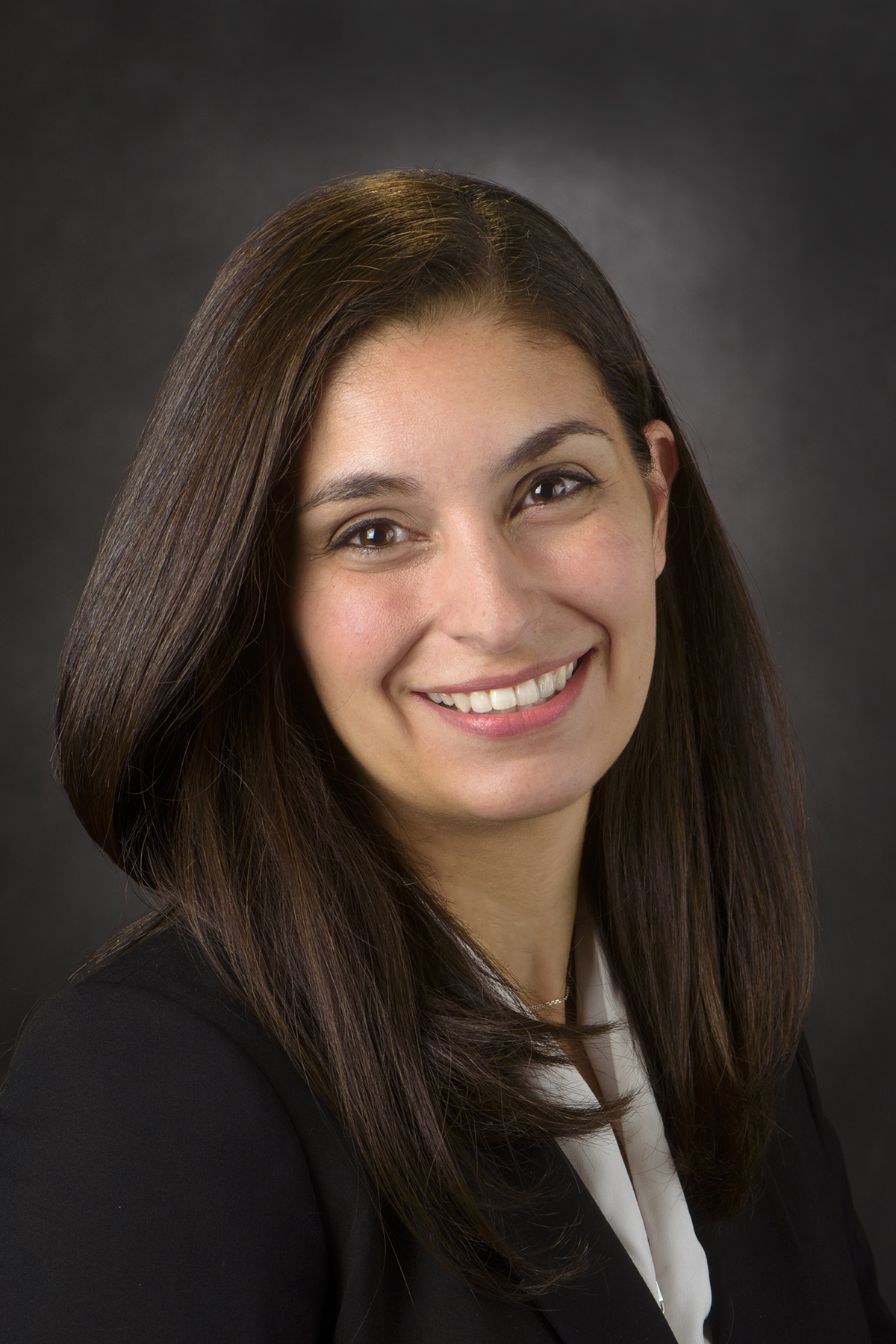
Claudia Ruiz Sotomayor Born in Mexico City, Claudia holds an M.D from Universidad Autonoma de Chihuahua, in Chihuahua, Mexico. She also graduated with a Master’s degree in Bioethics from Anahuac University in Mexico City, and she graduated with a Doctorate in Bioethics from Loyola University in Chicago Il, USA. Currently, she is the director of the clinical bioethics service of the Edmund Pellegrino Center for Clinical Bioethics at Georgetown University, DC, USA. She is also a research scholar at the UNESCO Chair in Bioethics and Human Rights and a lecturer in the Master’s programme in Global Bioethics at Anahuac University. She is a wife and mother of three children. Email: csotomayor@unescobiochair.org
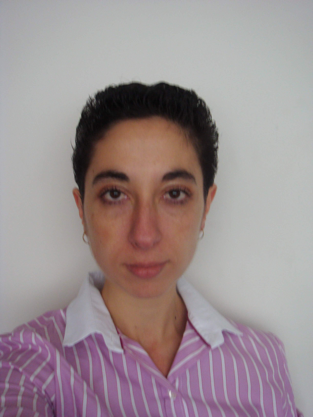
María Elizabeth de los Rios Uriarte holds a Bachelor of Arts in Philosophy at Universidad Iberoamericana in Mexico City. Cum Laude. She also graduated from a Master of Science in Bioethics at Universidad Anáhuac in Mexico City. Cum Laude. She also, holds a Ph. D. in Philosophy at Universida Iberoamericana. Cum Laude. Her areas of interest are multiculturalism, postmodernism, violence and migration. She has worked at different Universities at Mexico City and she is currently a Professor at Universidad Anáhuac and Universidad Panamericana. She is currently he Research Coordinator and the Editorial Coordinator Revista Medicina y Ética at Anahuac University, Mexico.
email: marieli@unescobiochair.org
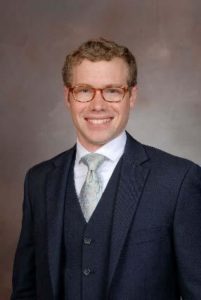
Dominique J Monlezun, MD, PhD, PhD, MPH is a practicing physician-data scientist and bioethicist who creates novel artificial intelligence (AI)-guided population health programs, policies, and ethics to unite diverse communities around data-driven solutions to the world’s most urgent health challenges and their societal inequities. He earned his MD (Tulane School of Medicine), in addition to his first PhD (Global Health Management & Policy) and second PhD (Bioethics) specializing in AI with the latter recognized by Microsoft as the world’s top doctoral dissertation on AI ethics. He serves as Chief Data Scientist (Global System Analytics & Structures), Senior Data Scientist & Biostatistician (MD Anderson Cancer Center Cardiac Catherization Lab and UT-Houston Division of Cardiovascular Disease), Professor of Bioethics (Italy’s Athenaeum Regina Apostolorum and Mexico’s Universidad Anahuac’s Masters in Global Bioethics Online), Research Scholar of the UNESCO Chair in Bioethics and Human Rights and Principal Investigator for over 30 randomized and cohort trials including for CHOP (ClinicalTrials.gov Identifier: NCT03443635) through which he co-created the preventive cardiology field of culinary medicine. He has authored 250+ manuscripts, presentations, book chapters, and books in the peer-reviewed scientific and ethical literature. He provides internal medicine care for immigrant, imprisoned, and underserved American patient populations (AΩA Honor Medical Society since 2020).
email: dmonlezun@unescobiochair.org
ResearchGate publications.

Elena Postigo Solana earned her doctorate in Bioethics in 2000 at Università Cattolica del Sacro Cuore de Roma with a thesis on the philosophical concept of death, brain death, and its bioethical implications. She has taught as an Adjunt Professor of Bioethics at the Gemelli di Roma, the Universidad de Navarra, the Universidad CEU San Pablo de Madrid, and at the Universidad Pontificia de Salamanca. She is currently Director of the Institute of Bioethics and Adjunt Professor of Ethics and Bioethics at the Universidad Francisco de Vitoria in Madrid.
She was an Academic Visitor at the University of Oxford in 2006 and 2012. She serves as a member of the Scientific Committee at the Universidad del Sacro Cuore in Milan. She has also served on the Board of Directors of the Asociación Española de Bioética y Ética Médica since 2003. She is part of the Editorial Committee for the magazines “Cuadernos de Bioética”, “Bioética y Persona,” and “Thémata.” She served as Vicerector of Research at the Universidad CEU San Pablo de Madrid 2009-2011. She has also been a member of the Pontifical Academy of Life since 2005. Her current research focuses on Transhumanism.
email: epostigo@unescobiochair.org
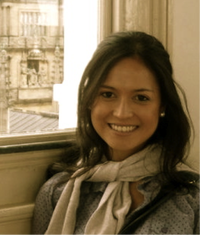
Thana de Campos is an adjunct professor at the University of Ottawa Faculty of Law (Common Law Section), and a research fellow at Global Strategy Lab (GSL). She is also a research associate at the Von Hügel Institute (University of Cambridge/UK) and at Law Casas Institute (University of Oxford/UK). She holds a doctorate in law (jurisprudence) from the University of Oxford, and a master in international law from the University of Sao Paulo/Brazil.
Dr de Campos researches and publishes in bioethics, legal theory, and moral philosophy, with particular interests in Natural Law, Virtue Ethics, global health law, global health governance, and the human right to health.
Through her work at GSL, she aims to develop the field of Global Health Ethics, and to help law students understand why there are practical reasons to care about global health ethics considerations (and about ethical considerations in general). Dr de Campos has complemented her scholarship with a commitment to public service. She is the co-founder of Academics Stand Against Poverty (ASAP) in Brazil, together with the Brazilian Ministry of Public Affairs. Her motivation in founding ASAP was to equip policy and lawmakers with the philosophical tools necessary to discern what is reasonable and unreasonable in certain laws, particularly health laws. (taken from http://globalstrategylab.org/people/thana-de-campos)
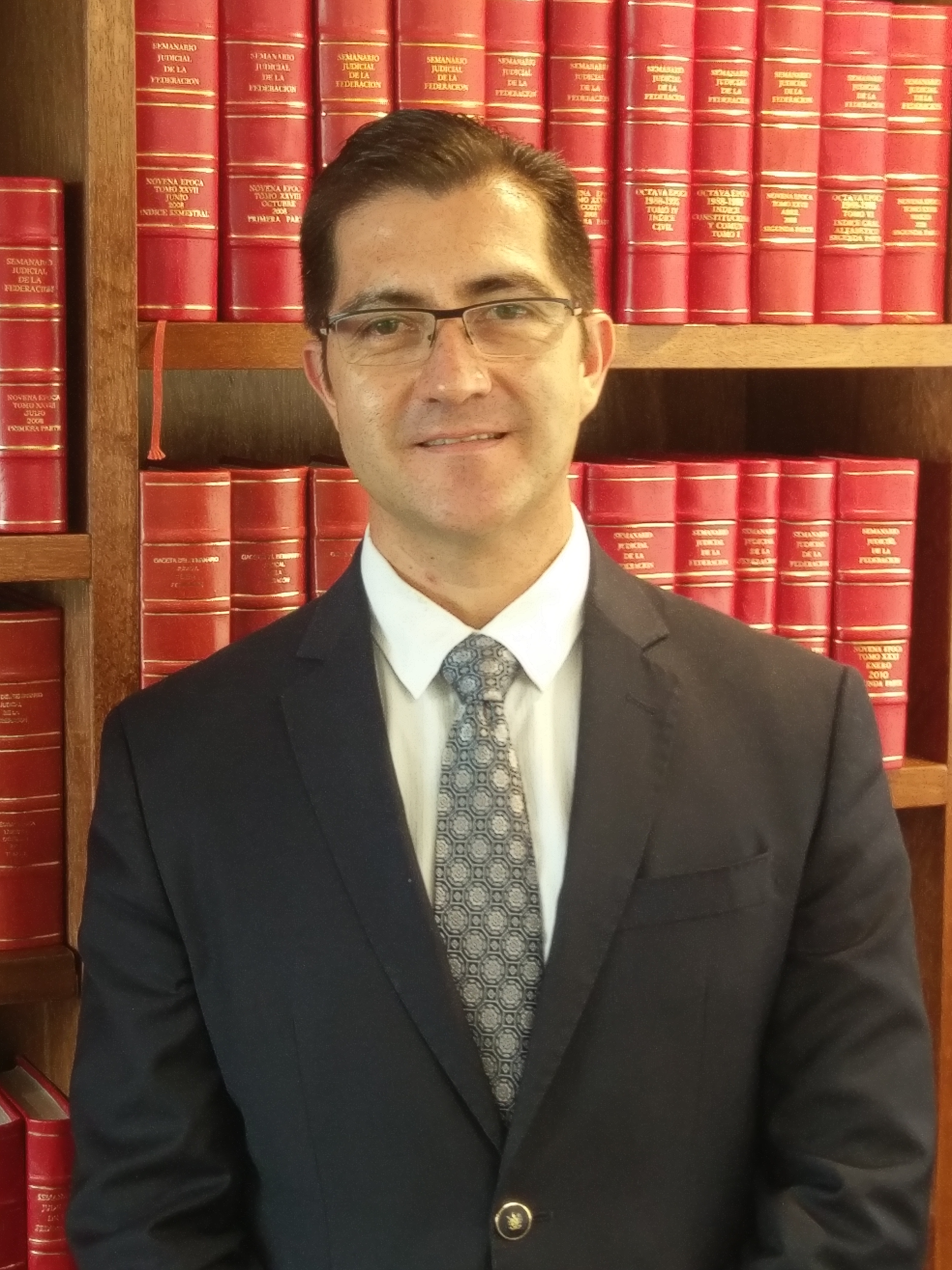
Agustín Antonio Herrera Fragoso holds a degree in law from the University of the Valley of Puebla, Master and Doctor of law by the Institute of Juridical Sciences of Puebla (ICJP), course the speciality in human rights by the Complutense University of Madrid, Spain, and the doctorate in bioethics and Biolegal (Chair of UNESCO Madrid, Spain). Work experience: Currently collaborating with Fundación Aguirre, Azuela, Chávez, Jáuregui Pro Derechos Humanos A.C., deputy director General for public policies at the under-Secretariat for Human Rights of the Ministry of the Interior SEGOB 2014-2015, director of human rights and normative research in health in the federal Secretariat of Health 2011-2014, advisor to the General Coordinator of Legal Affairs and Human Rights of the Federal Secretariat of Health 2007-2011, legal adviser in the Inter-Secretariat Commission of Biosecurity 2006-2007, Federal Public Ministry 2005-2007 among others, over 25 years of experience in the federal public Administration. Academic experience: professor and lecturer at various universities in Mexico (UNAM, ANAHUAC, PANAMERICANA, CISAV, DURANGO SANTANDER, ICJP, UPAEP, PONTIFICIA, La SALLE) on human rights, bioethics and biolegal. It has 5 books, several co-authors and articles. Member of the group of Axiology of Madrid, Spain (2008), of the National Mexican Academy of Bioethics (2007), of the network of human rights in the Knowledge Economy (2015).
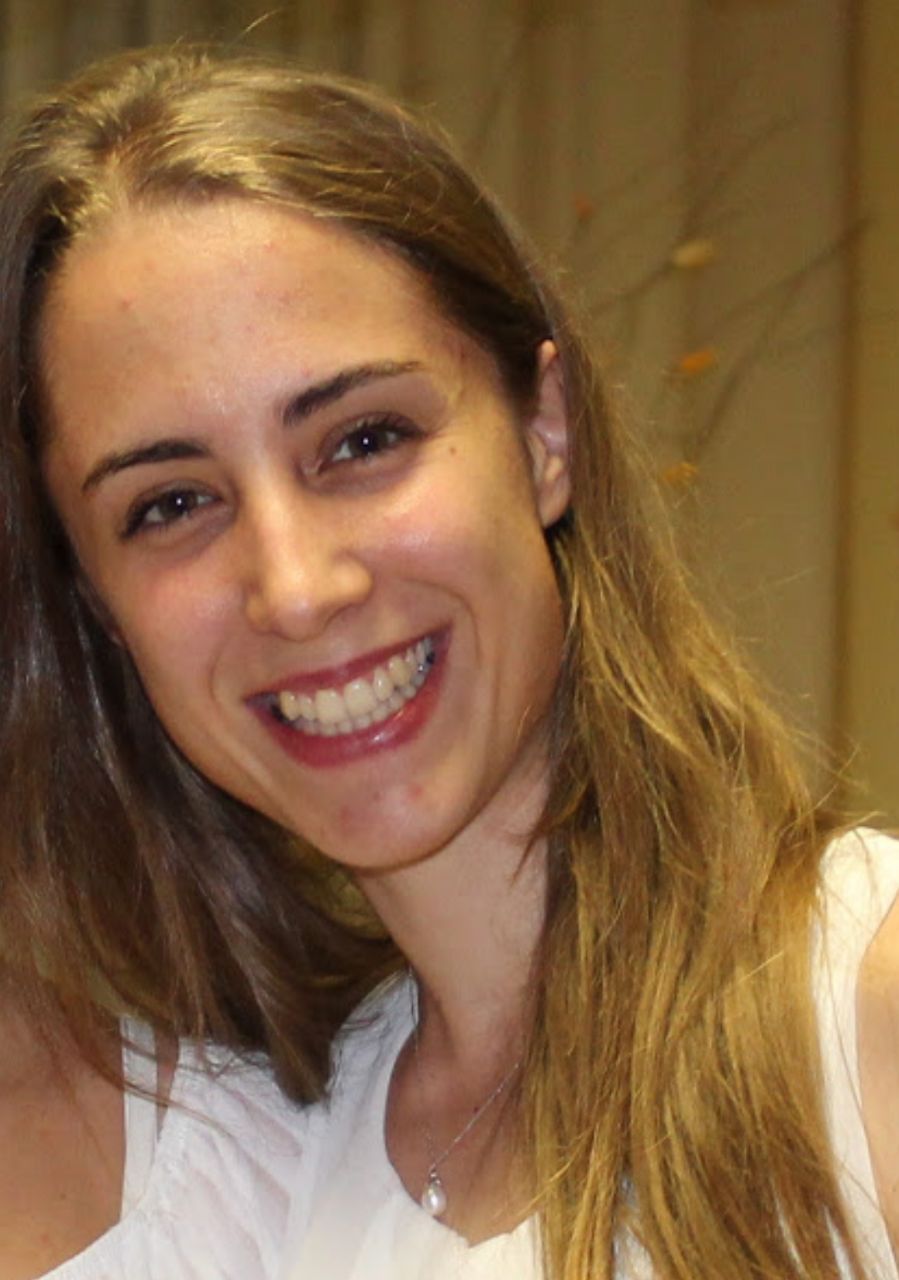
Melissa Maioni obtained in 2017 her PhD in “Bioethics and Integrated Biomedical Sciences” with a thesis on “The dimension of hope in cancer patients: bioethical and clinical perspectives” at the Institute of Philosophy of the Scientific and Technological Practice of University Campus Bio-Medico of Rome, after completing his bachelor and master’s degree in bioethics at Pontifical Athenaeum Regina Apostolorum. She was assistant to the chair of the Faculty of Medicine of Catholic University of the Sacred Heart of Rome for the course : «Seminary of Theology for Medical Professions» and of the Faculty of Nursing Science of University Campus Bio-Medico of Rome for the integrated course: “Human Science”; since three years she is an invited professor at the Faculty of Bioethics of Athenaeum Pontificium Regina Apostolorum, for the courses: “Bioethics and medical interventions”, “Tirocinio” and some classes of “Advanced Course in Bioethics” and “Summer Introductory Course in Bioethics”. She is author of two books: «Bioetica e culle per la vita. L’ultima possibile alternativa all’aborto» (IF Press Ed., 2015) and of “Feriti dalla malattia, accarezzati dalla Speranza” (Ed. CISU, in press).
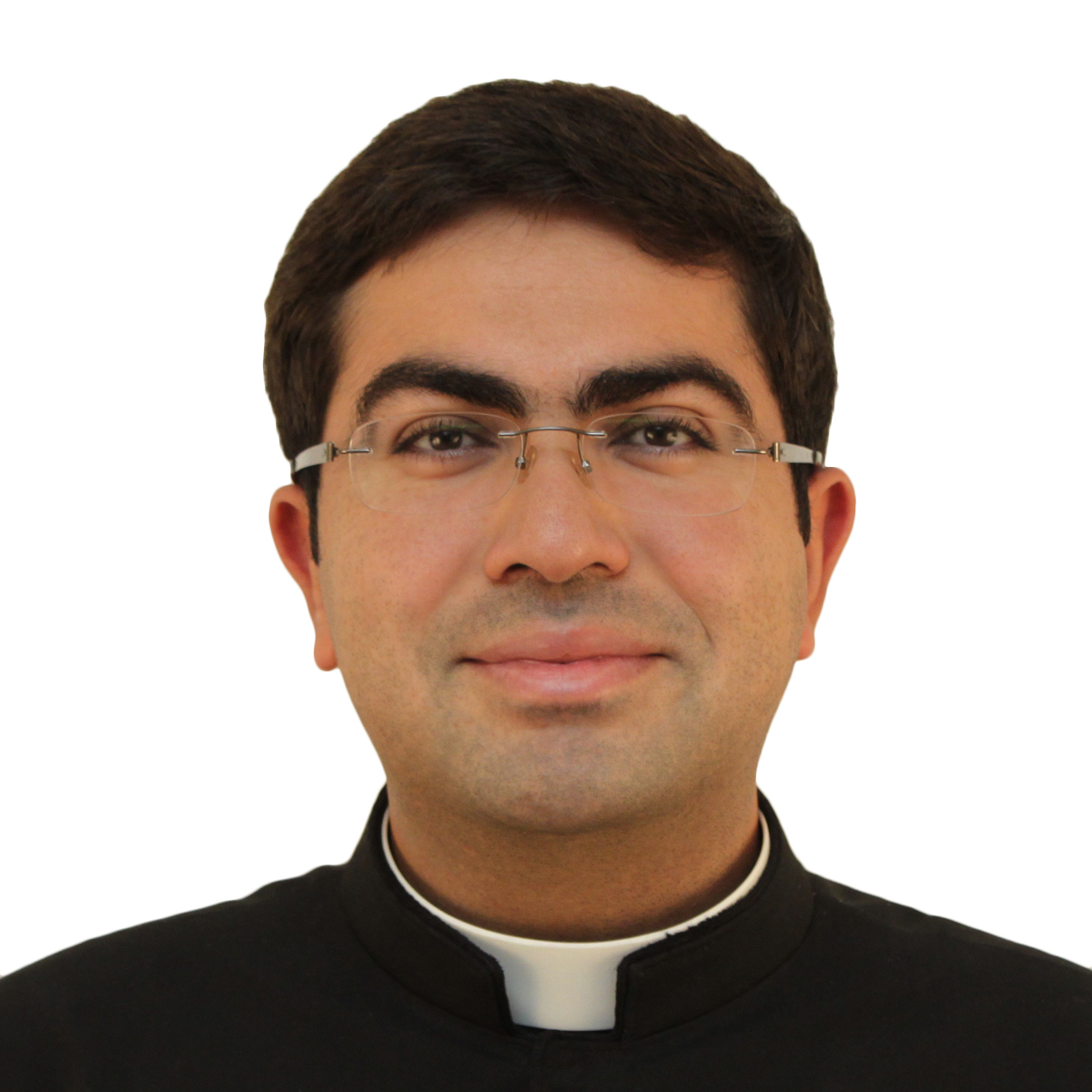
Sameer Advani holds the Cathedra for Ecclesiology in the Faculty of Theology of the Pontifical Athenaeum Regina Apostolorum in Rome and is also full-time Professor of Phenomenology and Philosophy of Religion in the Faculty of Philosophy at the same university. He obtained his PhD in Sacred Theology with a thesis on the theological foundations of religious plurality in J. Ratzinger in collaboration with the Vatican’s Ratzinger Foundation. He has spoken in conferences around the world on themes connected to religious plurality from both a theological and philosophical perspective, and is also director of the ‘Christianity and Culture Course’ at Regina Apostolorum.
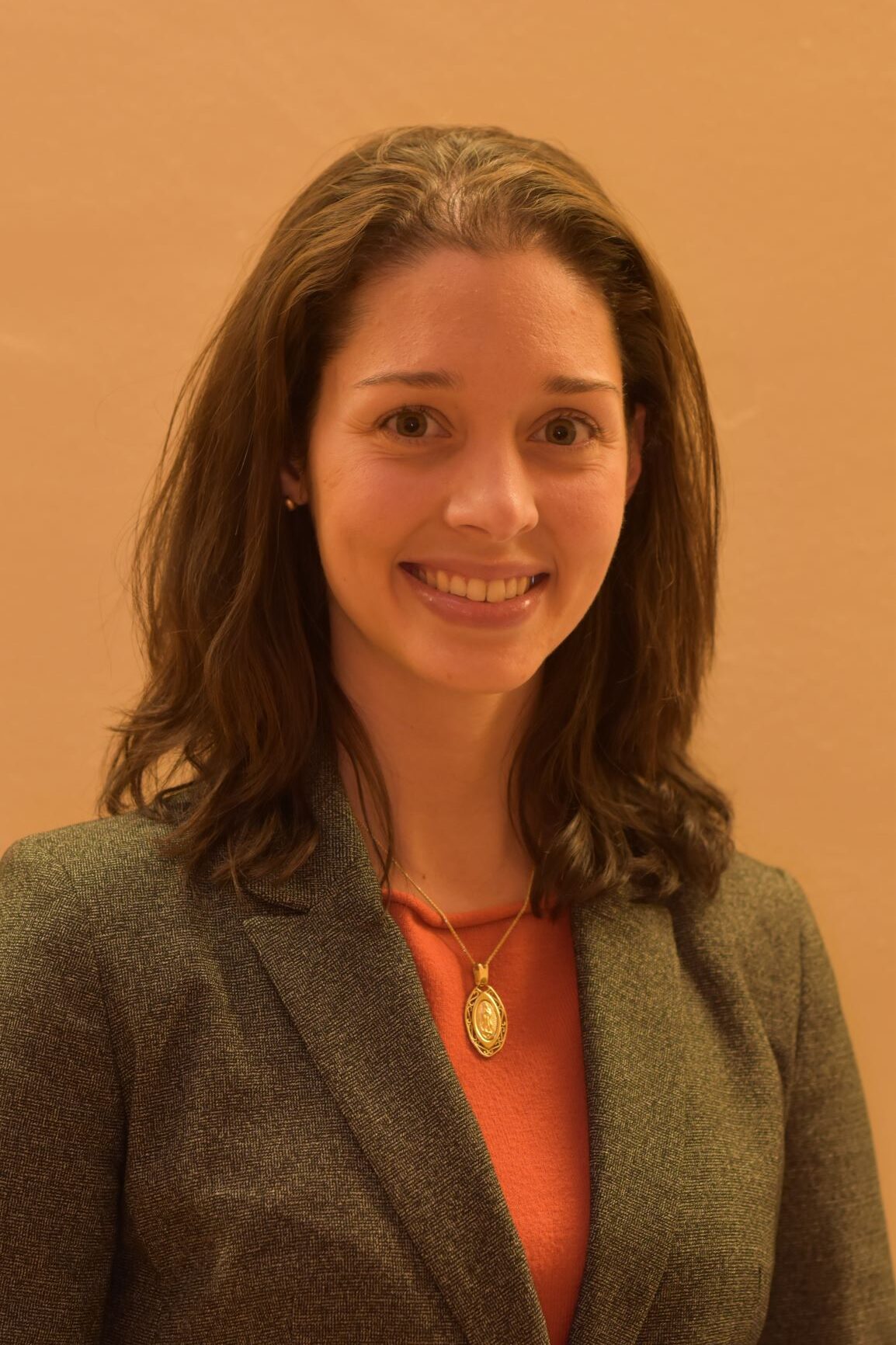
Lílian Santos, PhD was born in Rio de Janeiro, Brazil. Currently, she is a professor of Bioethics at Pontifical Atheneum Regina Apostolorum and a research scholar and board member at UNESCO Chair in Bioethics and Human Rights, in Rome, Italy. She is a Doctor of Bioethics by the Pontifical Atheneum Regina Apostolorum. Her doctoral thesis- about Transhumanism and the global governance of human genome editing- won the Academic Excellence Award. She also holds a master’s degree in Bioethics, a bachelor’s degree in Education and Development, and another degree in Religious Sciences. She holds specialisation diplomas in University Teaching, Women in Public Life, and Integral Ecology. She has various volunteer and work experiences in Brazil, Spain, Venezuela, Colombia, Ireland, and Italy. She aims to put Bioethics into action through a dialogue that seeks convergences and shared solutions in our pluralistic world, to promote the individual and common good. Her areas of interest are Global Governance, Global Bioethics, Human Rights, Transhumanism, Emerging Technologies, and Integral Ecology.
Project and Communication Management
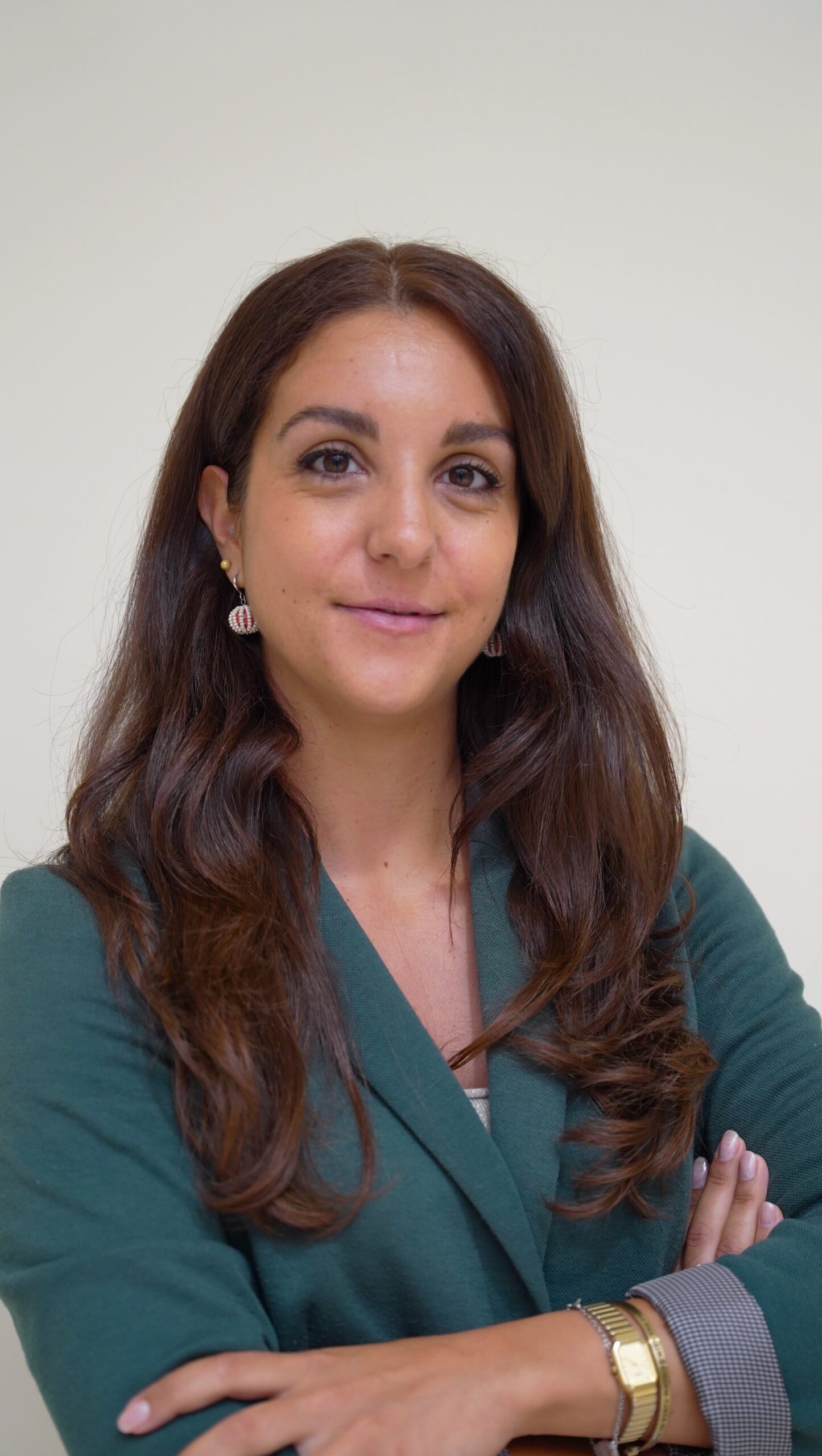
Serena Montefusco obtained a Bachelor’s Degree in International Affairs at John Cabot University, Rome and she is Certified Associate in Project Management (CAPM, Project Management Institute). Currently, she is attending a Masters’ Degree in Economics and Communication for Management and Innovation (LM 77) at La Sapienza Università di Roma. Specialized in Project Management, with an agile approach, collaborative, proactive, curious, her areas of interest and research are Human Rights, Migration, Global Bioethics, Interreligious Dialogue, and Artificial Intelligence. She is responsible for Project Managment and Communication taking part in EU funded projects such as EUROSOL (Europe for Citizens), iCONSENT (Horizon 2020), CivicAL (Erasmus +), and Eucom4U (Europe for Citizens), and others. She is also a member of Project Management Institute Central Italy Chapter as a volunteer in the Editorial and Social&Media Committee, and Rome Branch. Email: smontefusco@unescobiochair.org
Associate Researcher
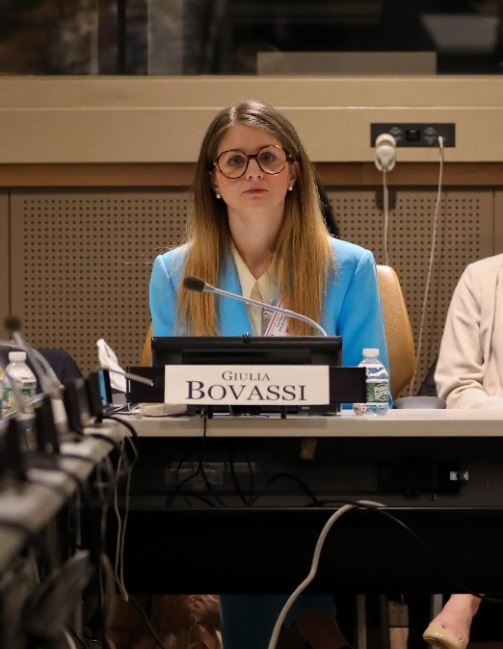
Giulia Bovassi is currently PhD Student in Bioethics at the Pontifical Athenaeum Regina Apostolorum (APRA) in Rome (Italy). She obtained her Master’s Degree in Bioethics (summa cum laude) at the same University, discussing the thesis “Pharmacological Neuro-Enhancement and Bioethical Dilemmas. The Need for a New Bridge to the Future”. Previously, she graduated in Philosophy (BA) at the University of Padua (Italy). At the same time, she is completing her Diploma in “Human Security and Sustainable Development” at the Institute for International and Political Studies in Milan (Italy). She started her studies in Bioethics by obtaining the Diploma at the Masterclass in Bioethics offered by the Catholic University of the Sacred Heart in Rome and, subsequently, by obtaining the Diploma at the Masterclass in Neuro-bioethics and Trans-humanism, promoted by the Neurobioethics Research Group of the UNESCO Chair in Bioethics and Human Rights at UPRA. In the meantime, she also continued her philosophical studies by obtaining a Post-graduate Degree in Philosophical Counseling and Existential Anthropology, offered by the European University of Rome and APRA, whose thesis was published in the volume “The Echo of Solidity. The nostalgia of the recall between liquid anthropology and post-humanism”. (2017). She deals with educational activities, research and training in academic, cultural and political fields on bioethical issues. She is author of several publications, including “Bioethics Guide for Earthlings. From Fulton Sheen to Cybersex” (2020). She collaborates with the UNESCO Chair and her fields of interest are mainly Neurobioethics, Transhumanism and Bioesthetics. Email: gbovassi@unescobiochair.org

Mariel Kalkach Aparicio MD degree by Universidad Anahuac Mexico, finished her studies of the Bioethics Master’s program at the Bioethics Faculty by the same university and in collaboration with Hospital General de México. Former Visiting Researcher at Georgetown University, in the Neuroethics studies group. Currently, Research Specialist in the Department of Neurology at the University of Wisconsin-Madison; Research Assistant to the Clinical Bioethics Interdisciplinary Chair and General Coordinator of the group BINCA at Universidad Anahuac. Affiliated Research Scholar of the UNESCO Chair of Bioethics and Human Rights, collaborating in the coordination of the first Neuroethics Diploma Course and Professor of the Emergent Technologies and Global Bioethics class in the On-line Masters in Global Bioethics.
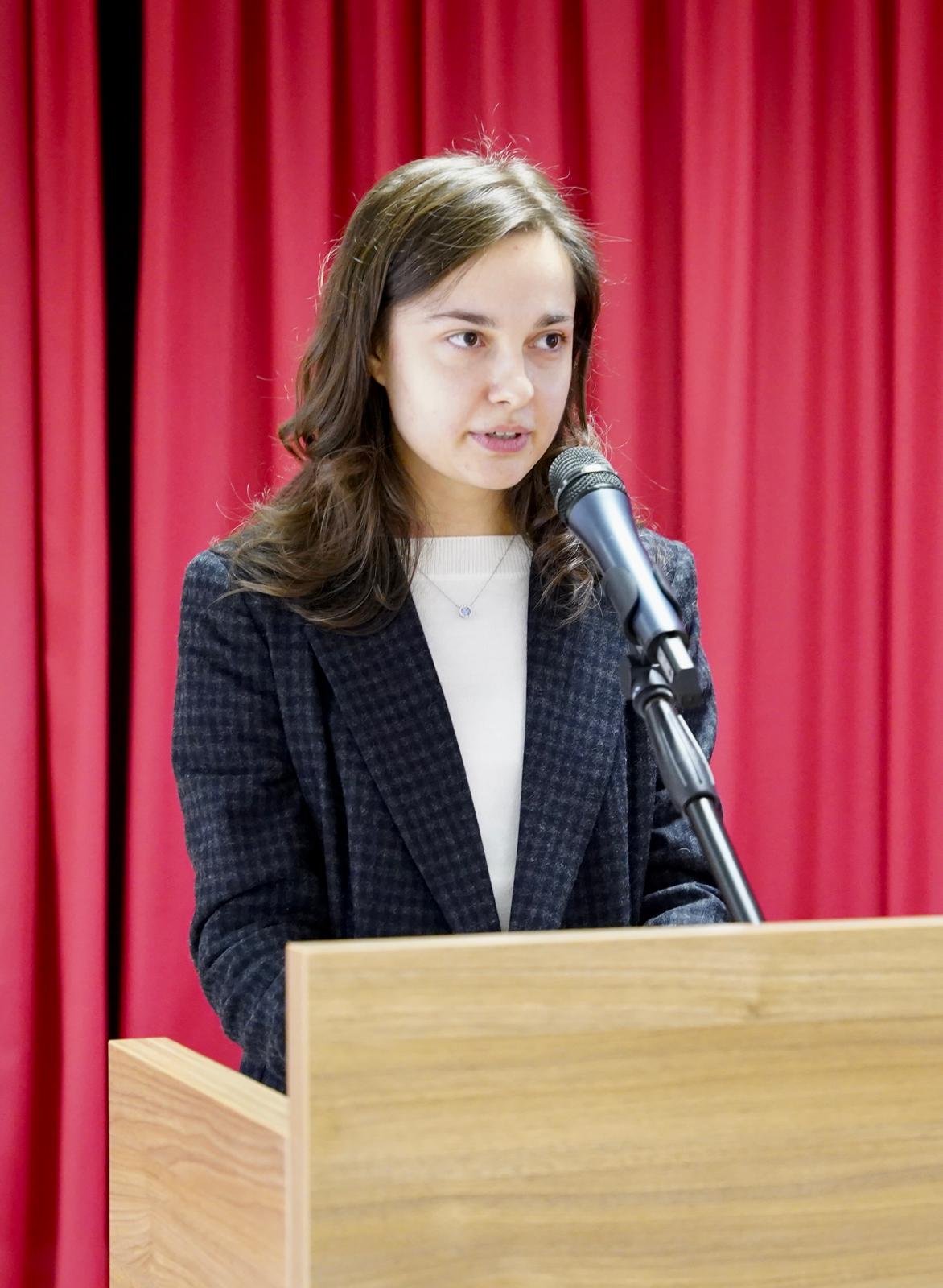
Ana Maria Ganev is a dedicated scholar and researcher with a strong background in pharmacy and a profound commitment to bioethics. In 2020, she earned her Single Cycle Master’s Degree in Pharmacy from the University of Rome “Tor Vergata,” culminating in an experimental thesis in pharmacology titled “The Involvement of the Prokineticin System in Trypanosoma Cruzi Infection.” This research demonstrated her passion for pharmacology and her ability to delve into complex scientific inquiries. Currently, Ana Maria is pursuing her doctoral studies in Bioethics at the Pontifical Athenaeum Regina Apostolorum in Rome, Italy. Her dissertation project centers around the intricate realm of the ethical use of psychedelics, exploring both clinical and non-clinical applications. Her dedication to this field reflects a keen interest in ethical dilemmas and emerging issues in the realm of healthcare and human well-being. Ana Maria Ganev’s commitment to the ethical dimensions of bioethics extends to her role as a junior scholar collaborating with the UNESCO Chair in Bioethics and Human Rights. In this capacity, she actively contributes her insights and expertise to advancing ethical discussions on a global scale. Her wide-ranging areas of interest encompass Neurobioethics, Human Enhancement, Psychedelic Medicine, Transhumanism, Virtue Ethics, Emerging Neurotechnologies, Global Bioethics, and Multiculturalism, as well as Bioaesthetics. This diverse array of interests reflects her interdisciplinary approach to ethical challenges and her dedication to addressing the complex moral questions of our time.
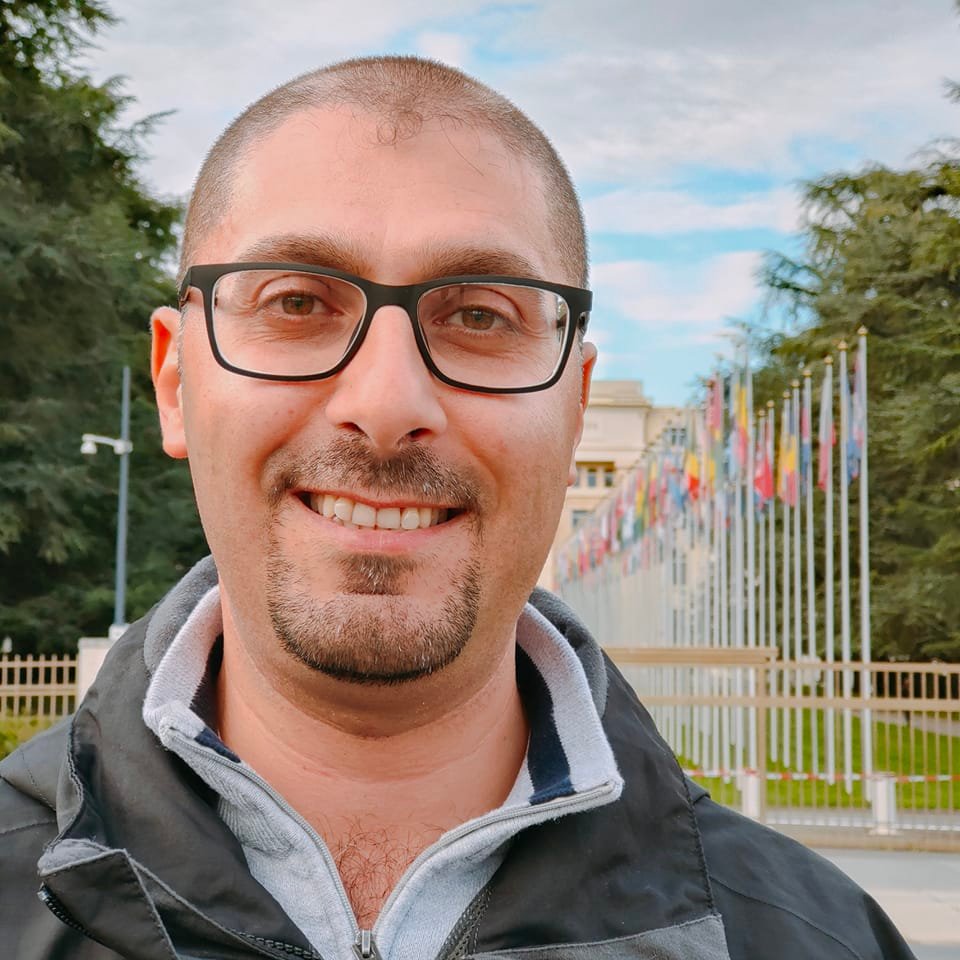
Maroun Badr is a Franco-Lebanese priest, polyglot (Arabic, French, English and Italian) and lives in France since 2014. He has a Master’s degree in Human and Social Sciences with a major in Catholic Theology, specializing in Moral Theology (summa cum laude), from the Université de Lorraine (Metz, France) and a Licentiate in Religious Sciences (summa cum laude) from the Angelicum (Rome) discussing the thesis “The act of martyrdom. Cause, motive and morality according to Saint Thomas Aquinas”. In 2024, he obtained a PhD degree in Bioethics (summa cum laude) at the Bioethics Faculty of the Ateneo Pontificio Regina Apostolorum (Rome) discussing the thesis, under the direction of Prof. Alberto García Gómez, “Women’s autonomy between personal freedom and public health. Application to abortion and contraception, and bioethical issues in the French context of sustainable development”. He has published two books, including one on the subject of Artificial Reproductive Technology (ART) for all women and its ethical and legal consequences. This book is prefaced by Prof. Alberto García Gómez. He regularly publishes scientific articles in several international Bioethics journals. He often takes part in regional and international bioethics congresses and is invited to give lectures in this field. His field of interests are mainly: Prenatal issues, Women’s rights and health, Biolaw, Biopolitics and Sustainable Development.
Interns
Interns are students or junior scholars interested in Bioethics and Human Rights. They assist the fellows and the director of the UNESCO Chair in academic research projects, coordination of events, and diffusion of news.

Allister Lee obtained his first class bachelor’s degree in Nursing Studies from the University of Edinburgh. His dissertation titled ‘Migrant nurses and working: Is Language a Barrier’ looked at the barriers caused by language difference and how it affects migrant nurses in the workplace. Allister is currently a licentiate student in Bioethics at the Ateneo Pontificio Regina Apostolorum while collaborating with the UNESCO Chair in Bioethics. His interests in bioethics include genome editing and artificial intelligence.
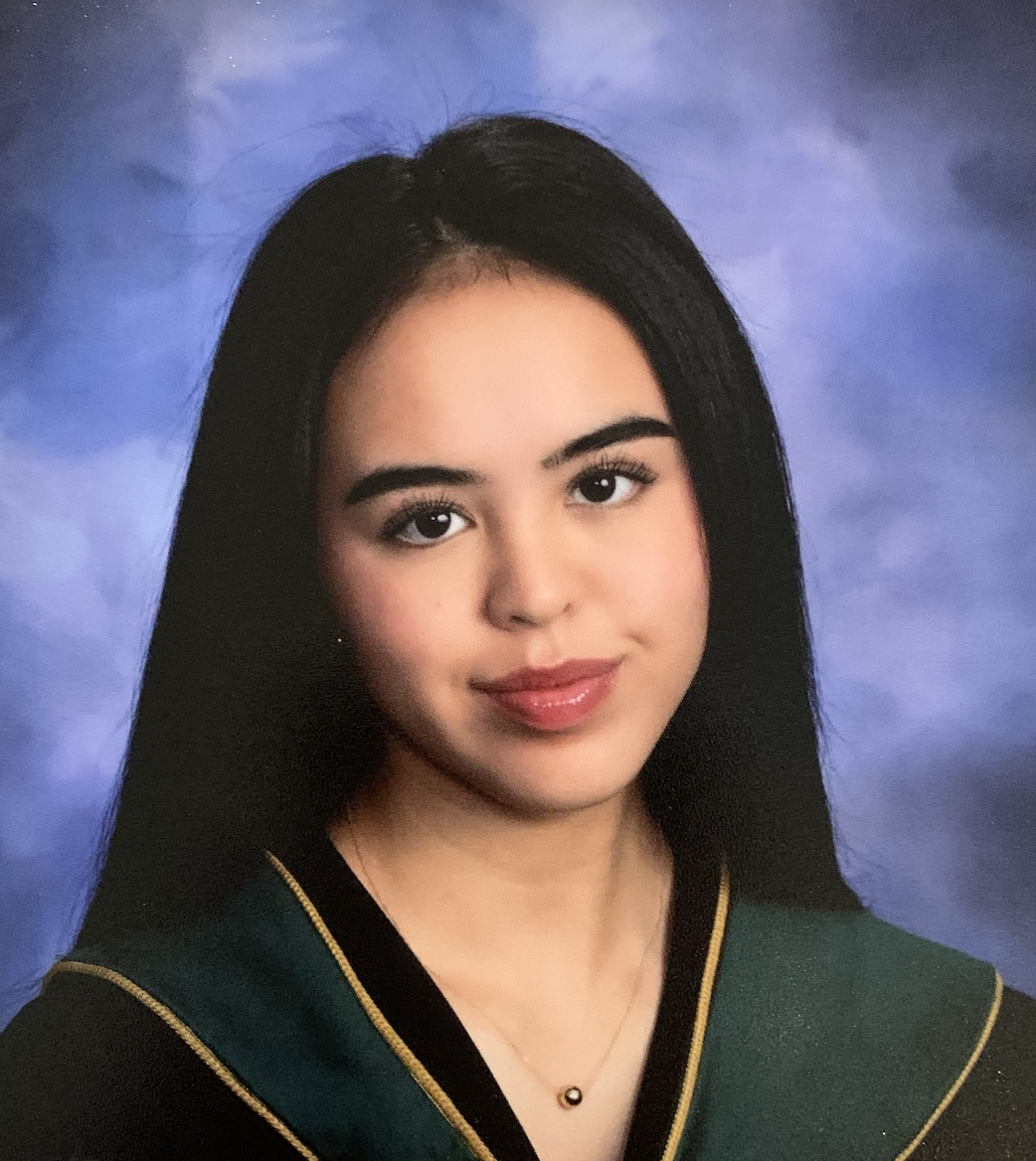
Sydney Hyndman is an ambitious undergraduate student at the University of British Columbia in Vancouver, Canada. Her interests include political affairs and international relations, and she is pursuing a Bachelor of Arts degree in Political Science. After completing her undergraduate studies, she plans to pursue a career in law and contribute to bettering our world through using legal solutions to address societal challenges. At the UNESCO Chair in Bioethics and Human Rights, Sydney is collaborating alongside chair members to expand her knowledge in the field and gain a deeper understanding of the bioethical challenges that prevail in the 21st century.