
by Adriana Gini
Thirteenth Neurobioethics meeting and second Seminar open to the public
 Our thirteen meeting, a seminar, was held on September 14th, 2010. This was our second Interdisciplinary Seminar, and the topic chosen this time was: “Neuroeconomics: interdisciplinarity in decision making”. Open to the public, was introduced by Dr. Adriana Gini, who started off with Kevin McCabe’s definition of Neuroeconomics. Kevin McCabe, who coined the neologism, is currently a Professor of Economics at George Mason University, Fairfax. Virginia, USA. Dr.Gini continued addressing some key features of this new and emergent discipline that seems to place the human person at the center of the enquiry. Prof. Alberto Garcia, Director of the UNESCO Chair, from New York, explained that the economical behavior is a kind of human behavior and as such intrinsically moral. In view of the article 8 of the UN Declaration on Human Rights -he added- it is conceptually necessary in Economics to make a step forward from utility to dignity. Prof. Michael Ryan, L.C., a Full Professor of Philosophy and Ethics at the Pontifical Athenaeum Regna Apostolorum (PARA), who is now involved in studies on Social Ethics and Ethics in Economics, addressed the necessity to analyze human behavior in decision making and presented the ethical dilemmas of the runaway trolley and similar one, where moral principles do not always match with the observed human choices. Prof. Tomas Cozy, Economist at PARA, spoke about the interaction between the human person who makes the decision, the environment and the presence of external forces that sometimes heavily affect and determine our choices. He introduced the game theory, first proposed by Nobel Prize John Nash, which helps explain altruistic behavior. Prof. Francesco Orzo, Full Professor of Neurology at the University of Rome, “La Sapienza”, reviewed the history of brain perfusion and metabolism. He showed initial studies of autoradiography in animals to trace blood flow and metabolism in the brain; the application to man become what we currently call brain imaging or neuroimaging, using PET and functional MRI. Prof. Orzi cautioned about the interpretation of the data from fMRI studies in Neuroeconomics (and in general) due to the statistical limitations of the tecniques, that are operator dependent, due to time resolution, the uncertainties regarding the real meaning of the BOLD signal, etc. The last speaker, Prof. Alejandro Canada’s, Assistant Professor of Economics at Mount St.Mary’s University, Emmistburg, Virginia, reviewed the history of Economics and underlined the limits of the discipline that chose not to relate to other ones and remained confined within its narrow borders, for long time. He introduced a known model (the biopsychosocial model, George L. Engel, 1977) and suggested its application to allow for a better understanding and prediction of individual and collective decisions in Economics. The seminar was followed by an interesting debate with the public; nice refreshment concluded the event.
XIV Meeting of the Neurobioethics study and research group
The XIV Meeting of the Neurobioethics Study and Research Group will be held on November 17th from 5.00 to 6.30 pm, at the Pontifical Athenaeum Regina Apostolorum, Rome
There will be two presentations in this meeting followed by a discussion:
- Presentation of the book: La costruzione della mente tra neurologia e pedagogia [Construction of the mind between neurology and pedagogy], by Fr. Francisco Javier Fiz, L.C.
- A paper by Prof. Juan Josè Sanguineti, on: “L’Io essere una causa? Il rapporto io-cervello nell’agire umano.” [Can the “self” be a cause? The Self-brain relationship in human acts]
Third Interdisciplinary Seminar of the Neurobioethica Study and Research Group
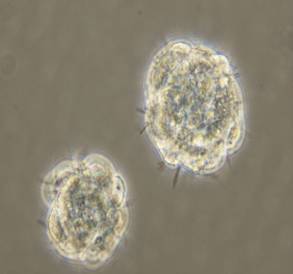 Treating neurological diseases while respecting human life: for an ethical use of stem cellsOur fifteen meeting, a seminar, was held on December 3rd, 2010. This was our third Interdisciplinary Seminar on an important ethical issue that is the use of adult stem cells, by the title: “Treating neurological diseases while respecting human life for an ethical use of stem cells”. Open to the public, the seminar was officially opened by Rev. Pedro Barrajon, President of the Pontifical Athenaeum Regina Apostolorum who explained the need for an interdisciplinary approach to key questions in our complex world. He acknowledged the Neurobioethics Study and Research Group for its methodology and the central role given to the human person in the appraisal of many important dilemmas.Dr. Maria Addolorata Mangione introduced the three speakers after having explained the specificity of the group, the meaning that we need to attribute to human life from conception and the dignity of embryonic life. The first speaker, Dr. Giovanni Gaviraghi, spoke on: “Stem cells: discovery, classification and use in pharmaceutical research and regenerative medicine”. Dr. Gaviraghi specifically addressed the development of current research in neuro-oncology, explaining the role of tumor stem cells in brain neoplasm and the mechanisms of proliferation. As CEO of Siena Biotech, a private research company sponsored by Monte dei Paschi di Siena, Dr. Gaviraghi illustrated the investigational research in his company’s labs that aims at eradicating tumour cells with the use of pharmaceuticals. Dr. Martin Bednar, Executive Director and General Director of the Clinical section, Neuro-rehabilitation and Regenerative Medicine and Alzheimer’s Projects of Pfizer Pharmaceuticals, spoke on: “Stem cells and Restorative Therapy for CND disease”. His speech covered both the scientific and ethical aspects of the use of adult stem cells from the nervous system. Dr. Bednar addressed also the research and studies on cerebral regeneration and brain plasticity, concluding that science and religion are not incompatible. Prof. Gonzalo Miranda, Full Professor of Bioethics and Moral Theology, Schools of Bioethics and Theology of the Pontifical Athenaeum Regina Apostolorum, spoke on, “Stem cells: Ethical Dilemmas”. Stressing the notion of the sanctity of human life from conception, Prof. Miranda developed an ethical reflection on the different sources of stem cells, the media coverage, prudence and proportionality in the therapeutical intervention and social justice in reference to the storage and allocation of stem cells from cord blood. The speaker session was followed by an interesting debate.See program See Italian program
Sixteenth meeting and third Seminar
 Sixteenth meeting and third Seminar open to the public on “Neurotechnologies and their application to severe disorders of consciousness”
By Adriana Gini
Our sixteenth meeting was held on January 21st, 2011. This was our fourth seminar open to the public on an important scientific issue with ethical implications regarding the use of the most recent neuro-technological tools for the diagnosis of severe disorders consciousness (of deleted and consciousness moved to modify). The seminar was opened by Dr. Paola Ciadamidaro, an anesthesiologist from the Cristo Re Hospital in Rome, followed by Andrea Soddu, PhD, both members of our Neurobiethics Group. Dr. Ciadamidaro initially introduced and defined terms like “vegetative state” (VS), “minimally conscious state” (MCS), and “locked-in syndrome” (LIS). She explained the difficulties of achieving a correct diagnosis (40% misdiagnosis in VS), the increase in the number of patients with such diagnosis, the problem of hospital funds allocation to allow the rehabilitation programs, the grief of the families of these complex patients and the need of special assistance. Andrea Soddu, PhD representing the Coma Science Group (one of the most prestigious research teams in the world directed by Dr. Seven Laureys) in Liege, Belgium illustrated the different modalities employed in his lab, in particular PET, fMRI and EEG. Andrea Soddu showed a few cases where the fMRI study was able to demonstrate the presence of conscious awareness in patients with the clinical diagnosis of VS. The possibility of establishing some form of communication with some of these patients, using imaginative tasks, was also shown. The possibility of using combined approaches such us EEG, fMRI, DTI (diffusion tensor imaging) and TMS (transcranial magnetic stimulation) to determine the viability and function of both cortical structures and the network of connecting fibers of the white matter, was very clearly depicted using images and videos. It appears that the future of these neuro-modalities applied to the diagnosis of severe disorders of consciousness will shift towards less expensive tools such as TMS and EEG, to allow a larger number of patients to be tested, with the currently expensive fMRI studies still used in research protocols in a continued effort to understand the biological basis of consciousness. The seminar ended with a very interesting discussion. Two new members joined: Prof. Massimo Gandolfini (Director of Neurosurgery of the Fondazione Poliambulanza of Brescia) and Dr. Gennaro Cera (Azienda Casa Sollievo della Sofferenza in San Giovanni Rotondo, Foggia).
Moral comprehension and awareness: a proposal for neuroscience-philosophy integration
 Our seventeenth meeting was held on February 11th, 2011. It was open only to group members. Prof. Warren Brown, a neuroscientist and a Professor of Psychology at Fuller Theological Seminary, was broadcasted live from Pasadena. He illustrated the distinct features of people affected by agenesis of the corpus callosum (ACC), a wide, flat bundle of neural fibers that connect the two cerebral hemispheres. He showed that the main deficits related to the complete or partial lack of this structure. The main cognitive difficulties that Prof. Brown listed were a) integrating information from the two visual fields b) coordinating hand movements c) complex problem-solving d) incomprehension of non-literal language and humor e) subtle social miscomprehension and f) diminished imagination & creativity.
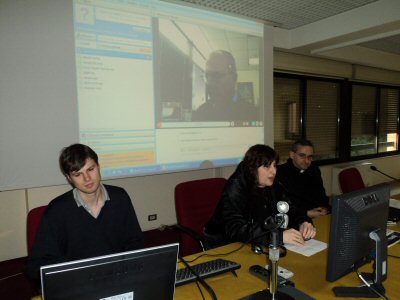 In terms of moral behavior, due to the cognitive disabilities and difficulties in the comprehension of social cues that are important for the development of appropriate moral understanding and judgment, patients tend to be, generally speaking, quite “naïve”. Prof. Brown also presented the Rationality of Ultimate Value Emotion Project, in collaboration with neuroscientists and philosopher, on the topic of Awareness and Causality in Virtue Ethics and Decision Neuroscience. The project received a grant from the Science and Transcendence Advanced Research Series (STARS) and the Center for Theology and Natural Science.
Prof. Jo se Angel Lombo, Philosopher and Ethicist from the Pontifical University of the Holy Cross, in his presentation titled “Moral awareness: a philosophical and scientific approach”, explained the role of philosophy in helping shape neuroscience studies and research to avoid reductionism. He spoke of the importance of recognizing common and absolute values for moral action, and mentioned the need to integrate neuro-psychological data in order to comprehend the different stages of moral cognition beginning with infancy.
 Marco Forghieri, doctoral student of Neuroscience at the University of Verona, illustrated initial and current studies, using fMRI (functional Magnetic Resonance Imaging) of normal subjects confronted with moral dilemmas. He showed that there are different currents of thoughts on the role of emotion and reason in moral judgments and different interpretations concerning the activation of specific brain regions, in response to specific tasks. A well grounded, plausible explanation of the participation of neural structures in the evaluation of moral and non moral dilemmas is still lacking. A few announcements were given. An interesting Q&A session concluded the seminar.
Social Neuroscience and the Neuroscience of Morality

 Eighteenth meeting and seminar for group members on: The HABITVS project: Human Archetypes – Biology, Intersubjectivity, and Transcendence in Virtue Science.By Adriana Gini
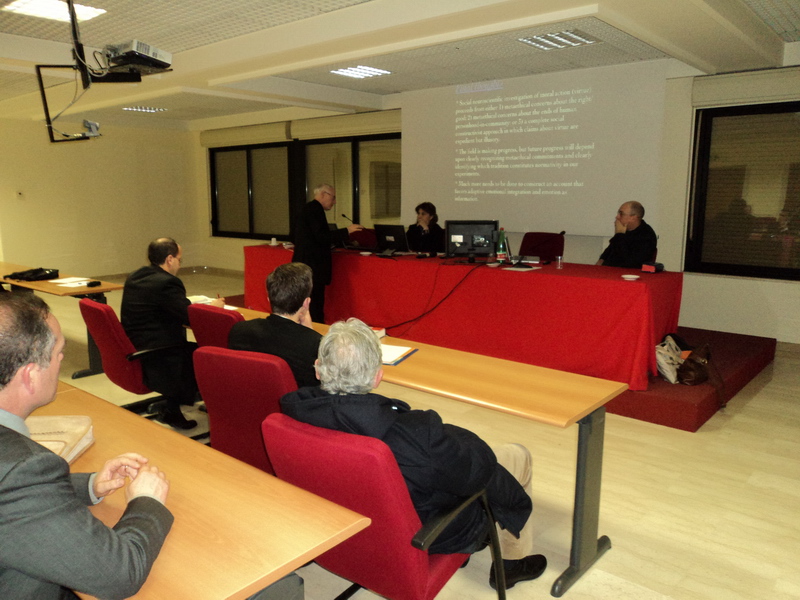
Our eighteenth meeting was held March 14th and was open to the public. Prof. Michael Spezio, Assistant Professor of Psychology, Department of Psychology, Scripps College, Claremont, and Visiting Associate Scientist, Psychology & Neuroscience Division of Humanities & Social Sciences, Caltech, Pasadena, CA. Prof. Spezio is also an ordained minister of the Presbyterian Church (USA). The following is a summary of his fantastic talk on Social Neuroscience and the Neuroscience of Morality.
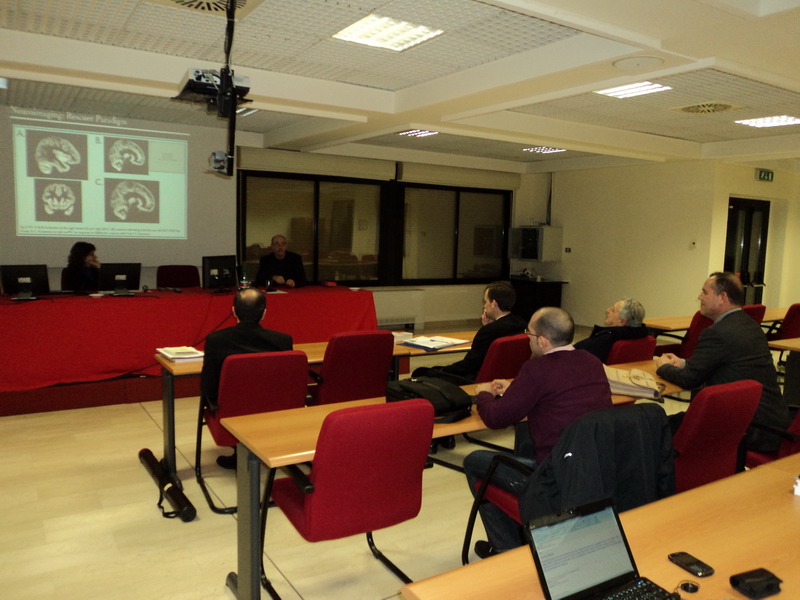 Prof. Spezio spoke about how morality and social attitudes belong to our human nature and are pa of who we are. In introducing the fascinating field of Social Neuroscience (that officially began in 1999), Prof. Spezio shrtowed how the size of the human brain and its short efficiency, in terms of caloric and oxygen consumption as compared to other animals, is primarily due to the highly developed cerebral cortex and specific areas that are related to the capacity to simulate other people’s behavior. He also made the distinction between the mirror neuron theory and the simulation theory that seems to better explain certain findings related to our innate interrelation capabilities. Some beautiful images (fMRI, BOLD signal) of the brain areas activated during specific tasks seem to confirm the complexity of our nature, beyond that of stimuli-response and reward-punishment systems.
Prof. Spezio also illustrated the “moral examplers” project that is in progress. It is the result of an interdisciplinary effort to explain the neuroscience of virtuous individuals. From his own writing: “Prof. Michael Spezio is a social neuroscientist who seeks to understand the system in the mind and brain underlying evaluative cognition, specifically in the social domain. His previous work demonstrated:1) that high functioning adults with autism showed a deficit in a top down attentional processing that results in the abnormal use of facial information during emotional judgments (even when controlling for gaze): 2)that the amygdala is vital for typical gaze to the eyes in real conversations; 3) that the insula is involved in preferentially processing negative cues from a politician’s visual appearance, affecting voter’s decision in real elections; and 4) that decision-maker’s propensity to overly report the truth in sender-receiver games is due primarily to effects of cognitive load during deception, and not to concern for others’ outcomes.”
 Prof. Spezio continues to investigate cognitive and neural processes of social decision making focusing on autism, political judgment, empathy .and compassion in morally relevant action, and the role of contemplative practices in reshaping these processes. Regarding his research activity and his talk at APRA, with his own word Prof. Spezio states: “As part of a transdisciplinary study of moral action, neuroscience affords a path by which psychology and biology may contribute to a more robust, complete understanding of the human person-in-community, especially regarding developing personhood and character over a lifetime. Several challenges faces neuroscientific work in this area , including maintaining rigorous standards in methodology and analytical approaches, ensuring that laboratory studies measure moral action and not just action that seems moral to some participants some of the time and engaging the broadly personalist perspectives that motivate virtue theory, so as to avoid a reductive psychologism . I will introduce a project that responds to each of these challenges, focusing on topics within the three primary concentrations in neurosciences that are most relevant to virtue theory – affective, decision and social neuroscience. Topics of direct interest to virtue theory include the contribution of emotion to adaptive reason within decision making about other people and one’s self; the limitations of construing fast, subliminal processes forever in opposition to slower, reflective and more deliberative thinking; and ensuring that virtue in the lab is linked to in measurable ways to with broader philosophical and common sense construals of virtue in the real world.”
Neuroethics: Balance and Prospective
 The twentieth meeting of the Neurobioethics group was held on April 6, 2011 and was open to the public. Prof. James Giordano, PhD, MPh, Director of the Center for Neurotechnology Studies at the Potomac Institute for Policy Studies in Arlington, VA, USA and a Senior Research Associate at the Oxford Centre for Neuroethics at the University of Oxford, Oxford, UK.
He spoke on Neuroethics: Balance and Prospective. Prof. Giordano first introduced the term Neurobioethics to indicate that iteration (neuro-bio-ethics) might be necessary and more appropriate when we deal 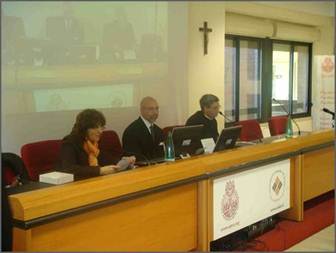 with human complexity. Our group has translated this term into Neurobioetica in 2009 and uses it to establish a parallelism between Bioethics (interdisciplinarity, a personalistic approach, etc.) and Neuroethics’ current two major traditions.
Prof. Giordano defined the terms Neuro, as the structure or function of nervous systems; Science: the pursuit and use of knowledge as a human pursuit, for the goals and ends of advancing defined (human) ends; Neuroscience and Ethics: Ethics as a systematic study of the processes and basis of moral decision making. Prof. Giordano explained that the two traditions, self-contained, self-referential model, are both (a) lens and (b) mirror, the tasks being the neural bases of morality; examining if, how and why neuroscience (and ethics) can and/or should be employed in various endeavors and circumstances.
Giordano spoke briefly also on interventional neurotechnologies, such as neuropsychopharmacologics, novel analgesics, neurotropics, nanopharmaceuticals, indwelling devices, brain implants, PNS/CNS stimulators/mitigators, micropumps, transcranial magnetic stimulation, tissue transplants, genografts, also posing the question: “Can we “Abolish” Pain/Sadness/Suffering and Expand Cognitive, Emotional and/or Moral Capability”?
Speaking about the future of Neuroethics, Giordano mentioned brain-machine interfacing, augmented cognition, cyborgization, trans-humans, post-humans, and sentient machines. For Giordano the ongoing work of Neuroethics is “a pragmatic reflection, insight and responsible prudence as the stepping stone for all future acts of inquiry, invention and intervention”. “Measure twice, cut once, for all too often, there is no turning back”, was Giordano ending remark. A very animated debated ended this exciting meeting with one of the world most renowned experts of the field.
The Ethical Pain
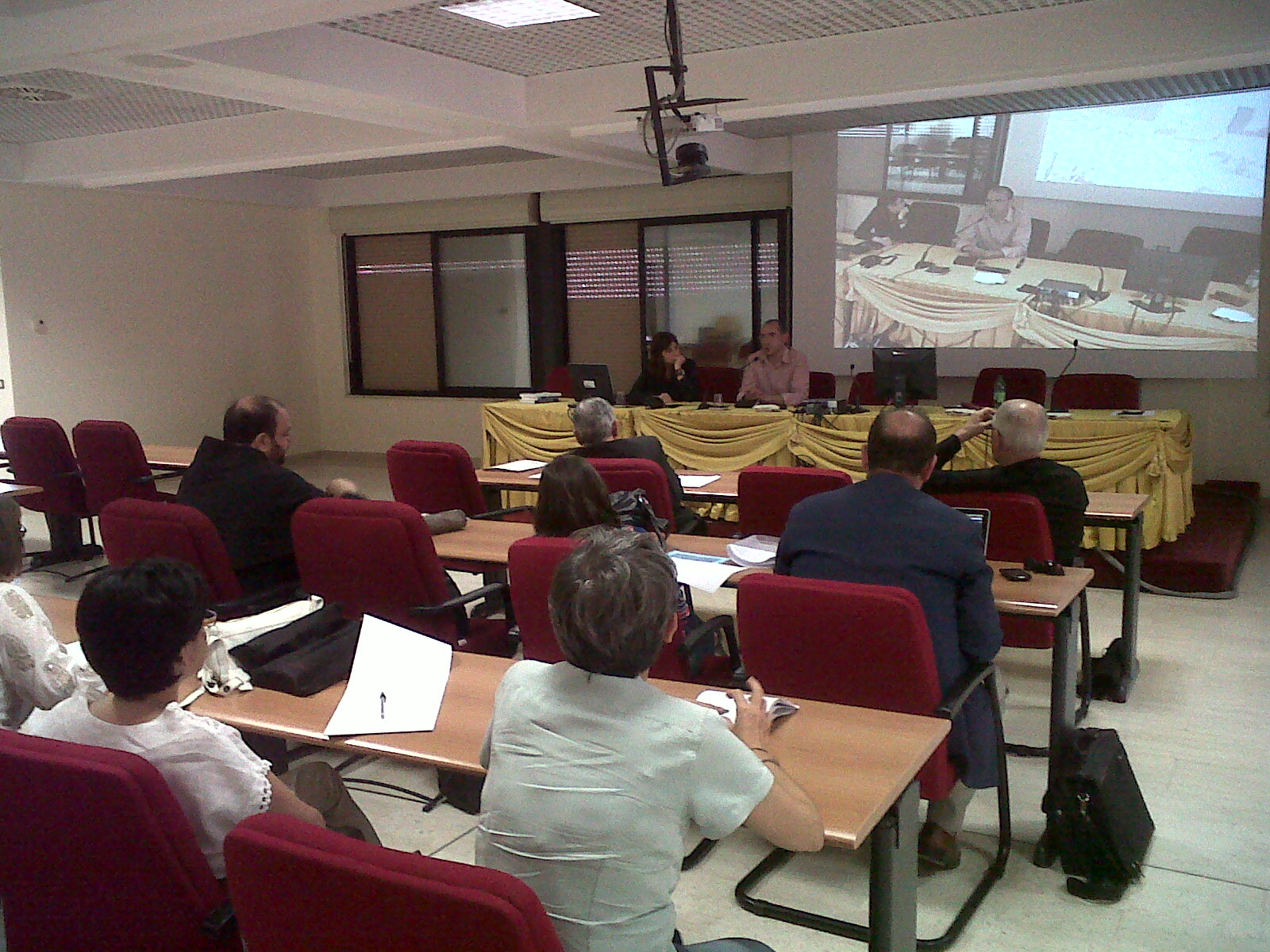 Our twenty-second meeting and open seminar was held on June 24, 2011 hosting Dr. Michele Farisco who spoke on: The Ethical Pain: detection and management of pain and suffering in patients with disorders of consciousness.
Michele is a philosopher who specializes in ethical issues concerning the areas of transhumanism, cognitive enhancement, severe disorders of consciousness such as the persistent vegetative state, and legal aspects of neuroscience.
This seminar was informative and stimulated a very interesting debate. Beginning with the application of functional MRI to the study of severely compromised patients in the Liegi Coma Science Department, where Michele spent four months, he explained how the patient’s pain cannot be assessed by neurotechnology alone because cerebral mechanisms responsible for pain are not fully understood either in normal individuals.
The data available, however, are useful approximations and can possibly lead to a prudent approach to pain, suggesting the general use of pain medications in these very compromised patients. Michele showed how different countries in the world regard these new technologies, always in reference to pain and in these specific conditions. There is no uniformity in the use or relevance attributed to these technologies in different countries. At the same time, professional societies in the same country have different evaluations of these new technologies. They are very sophisticated and require a dedicated team, and their high costs are prohibitive for most countries.
The difference between pain and suffering in humans was discussed and a distinction was tentatively made. However, human suffering appears to be a very difficult category given the complexity of human feelings, emotions and behaviors. As such, it requires all the support that is available, both to patients and their families. Some of the physicians present at the seminar reported touching experiences of these medical conditions and the ethical issues they continue to raise, especially after the application of expensive but fascinating new technologies.